
EcoLactam®
New innovative material
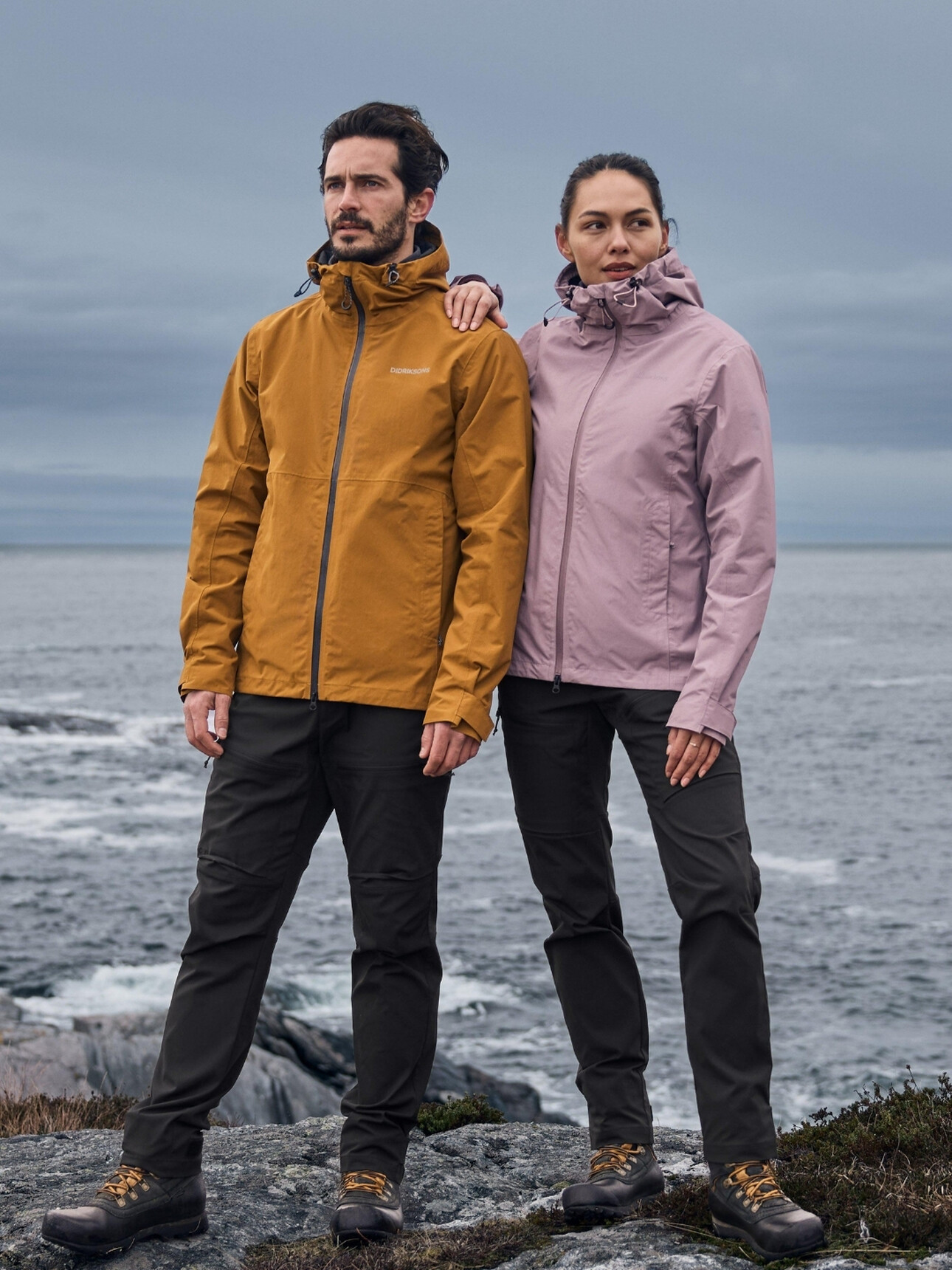
For more than a century, Didriksons has created garments designed to protect people from harsh weather. Today, our collaboration with Fibrant continues as EcoLactam® polyamide becomes part of selected outerwear styles.
EcoLactam® is a polyamide raw material with a lower carbon footprint in production than conventional polyamide.*
Designed for outdoor performance
After several years of development and testing, EcoLactam® polyamide is now used in selected styles designed for functional everyday use.
Our EcoLactam® fabrics feature a laminate tested to withstand a water column pressure of 15,000 mm according to EN ISO 811, providing reliable waterproof protection.
Selected styles, including Trien and Trinya, combine technical performance with EcoLactam® polyamide.

A different way to produce polyamide
EcoLactam® is developed by Fibrant using production-process improvements, greenhouse-gas abatement and reduced energy consumption. According to Fibrant, this results in a lower carbon footprint from base chemicals to finished yarn compared with conventional polyamide production.*
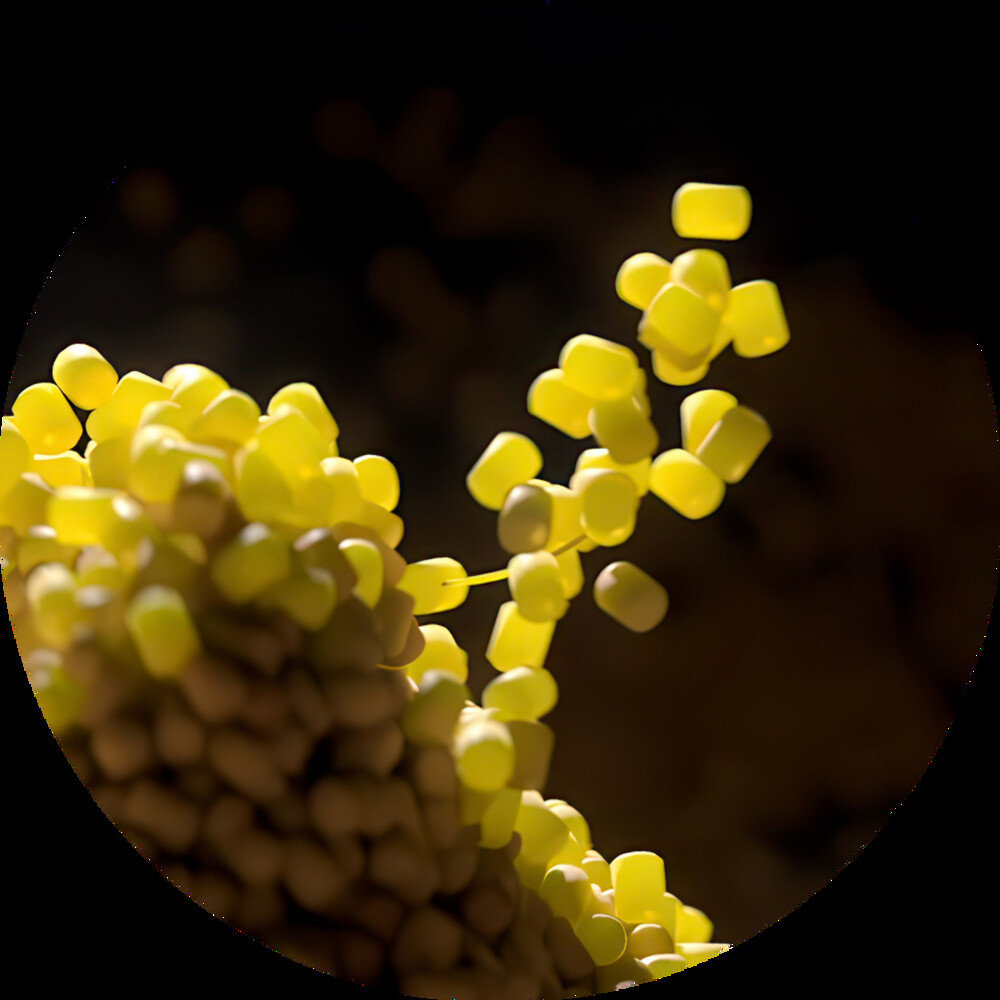
EcoLactam® polyamide pellets*
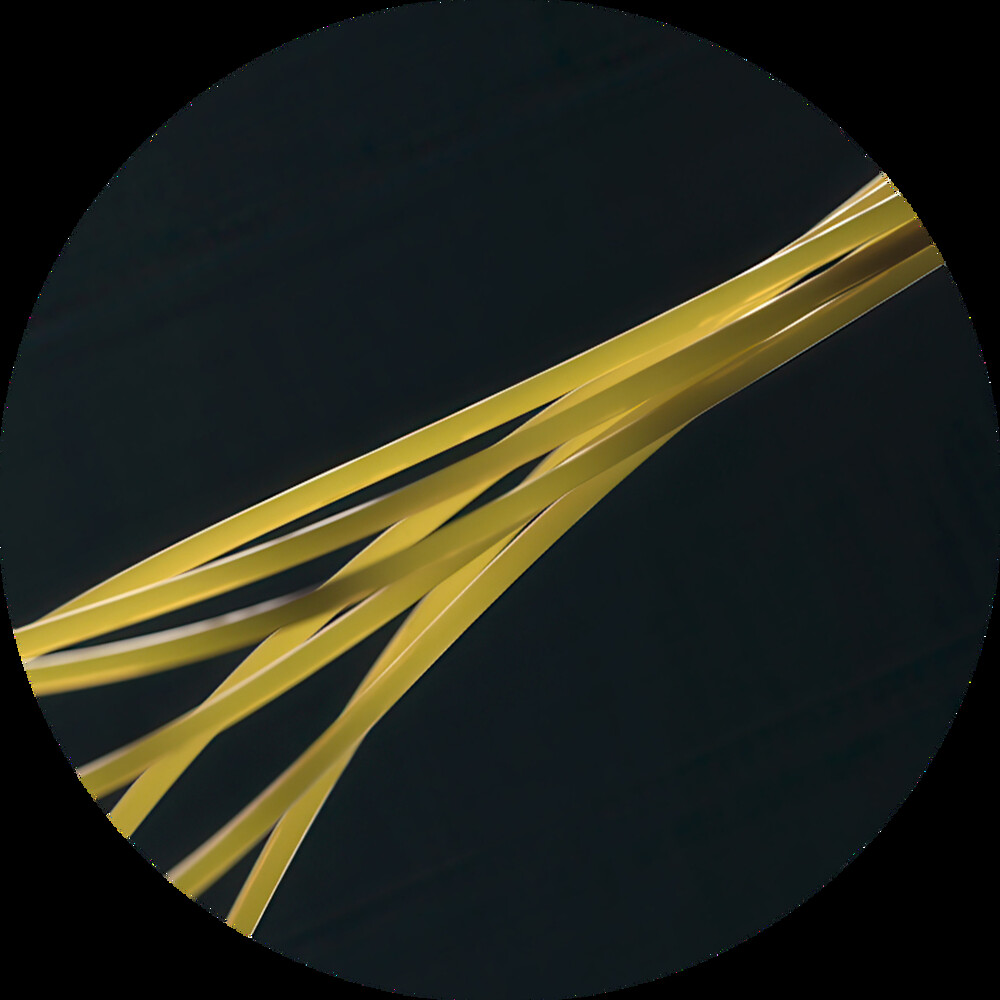
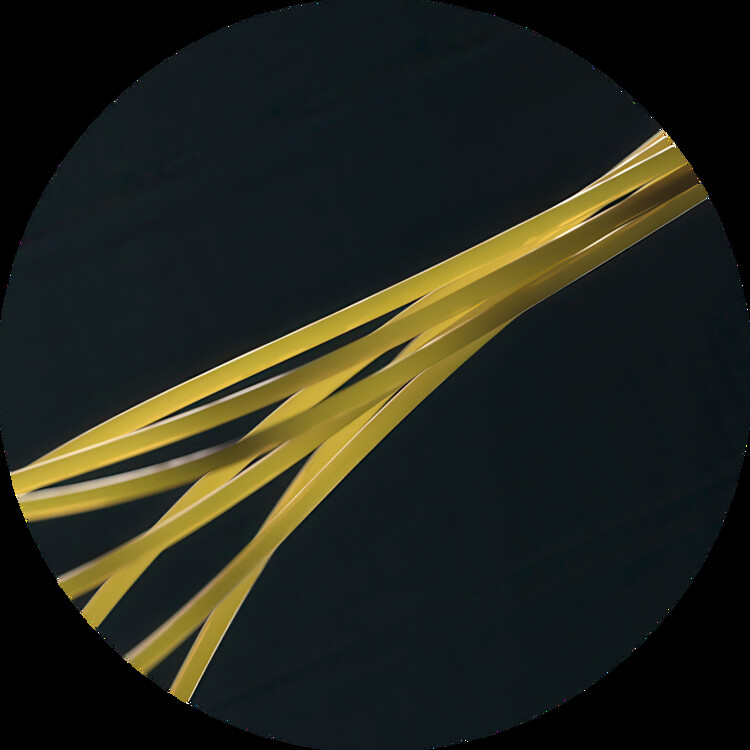
Spun into polyamide yarn


Woven into technical outerwear fabric


Used in selected Didriksons garments
Lower carbon footprint in production
EcoLactam® has a carbon footprint that is up to 70% lower than conventional polyamide production.*
“Our collaboration with Fibrant is part of our long-term work to improve how we source and develop materials. Making materials with a lower carbon footprint in production available at scale is an important part of that work.”
Per Odqvist
Chief Sourcing Officer
A long-term collaboration
Together with Fibrant, we have spent three years developing a material solution designed for use at scale.
For Didriksons, this collaboration is another important step in our ongoing work to better understand the carbon footprint associated with the materials we use. Working with suppliers such as Fibrant helps us introduce lower-carbon material solutions across more products over time.
*Footnote
The lower carbon footprint refers to the carbon footprint of EcoLactam® polyamide from base chemicals to finished yarn, compared with conventional polyamide produced on an industrial scale. The data is based on the EcoLactam® calculation model, which is certified by an independent third party.
Source: https://www.ecolactam.com/